

TMJ Treatment in Manasquan, NJ
Stop Living with Jaw Pain. Relief Starts Here
Why People Love Periodontics & Implant Center
Comprehensive TMJ Treatment at Periodontics & Implants Center
Our experienced team of specialists brings a thorough, individualized approach to every TMJ case, carefully identifying the cause of your symptoms and crafting a treatment plan that addresses them at the source. Patients throughout Manasquan, Wall Township, and the surrounding Monmouth County area trust us for expert care delivered with compassion.
Understanding TMJ Disorders
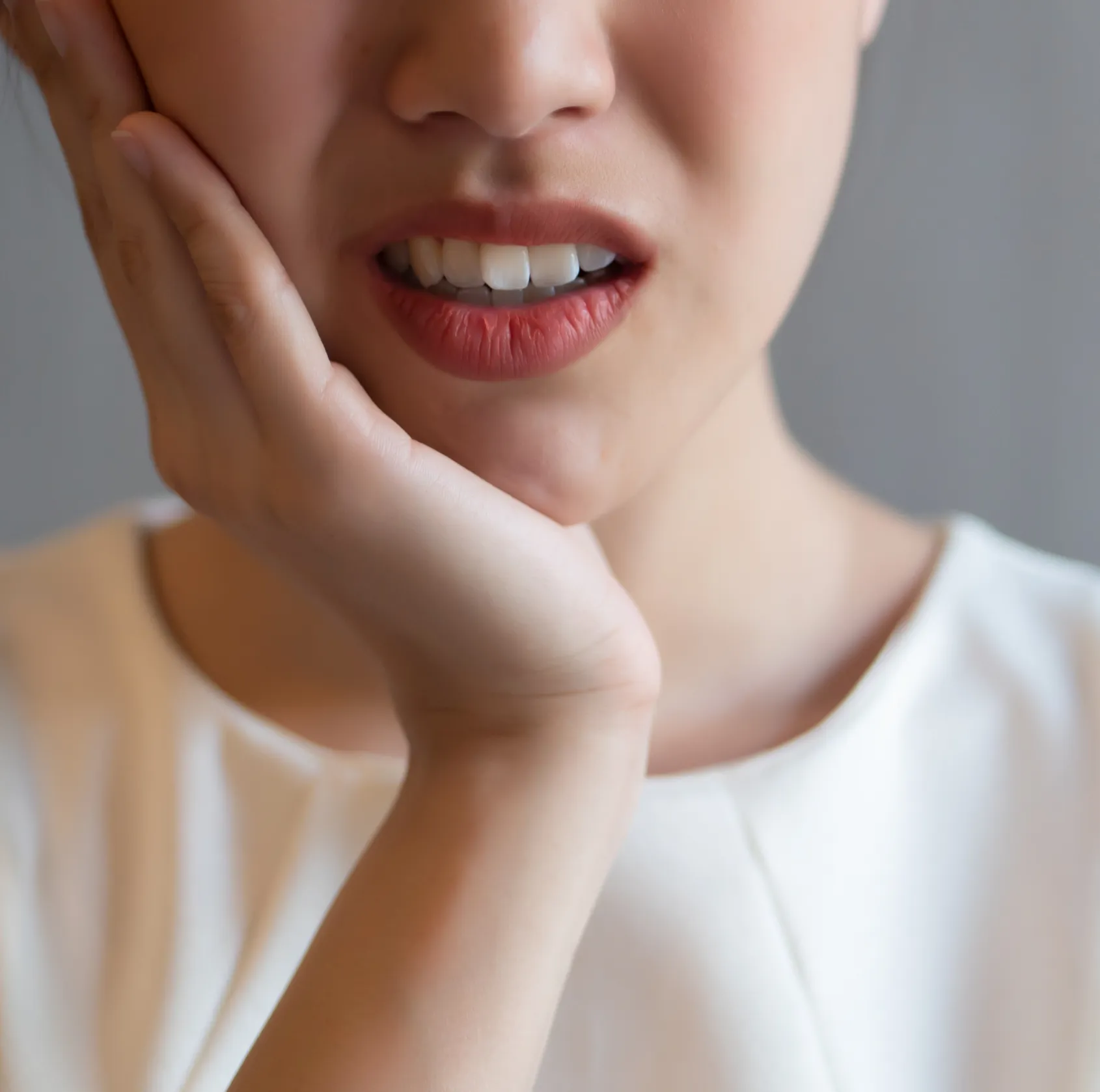
The temporomandibular joint (TMJ) is one of the most complex and frequently used joints in the body, facilitating every bite, word, and yawn. When this joint is under stress, misaligned, or damaged, it can trigger a cascade of symptoms that are often difficult to trace back to their origin.
TMJ disorders are commonly caused by teeth grinding (bruxism), jaw trauma, arthritis, chronic stress, or an uneven bite. Because the symptoms can mimic other conditions like ear infections or migraines, many patients in Manasquan spend years searching for answers before receiving an accurate diagnosis. That's exactly the expertise we provide.
Common Symptoms of TMJ Disorder
TMJ symptoms are wide-ranging and often misunderstood. Look out for:
- Jaw pain or tenderness when chewing or at rest
- Clicking, popping, or grating sounds from the jaw joint
- Limited range of motion or a jaw that locks open or shut
- Persistent headaches, especially upon waking
- Ear pain or a sensation of fullness in the ears
- Facial aching or swelling
- Neck, shoulder, or upper back tension
These symptoms can range from mild and occasional to severe and constant. Regardless of where you fall on that spectrum, our Manasquan team can help you identify what's driving your discomfort and how best to treat it.
The Importance of Treating TMJ Early
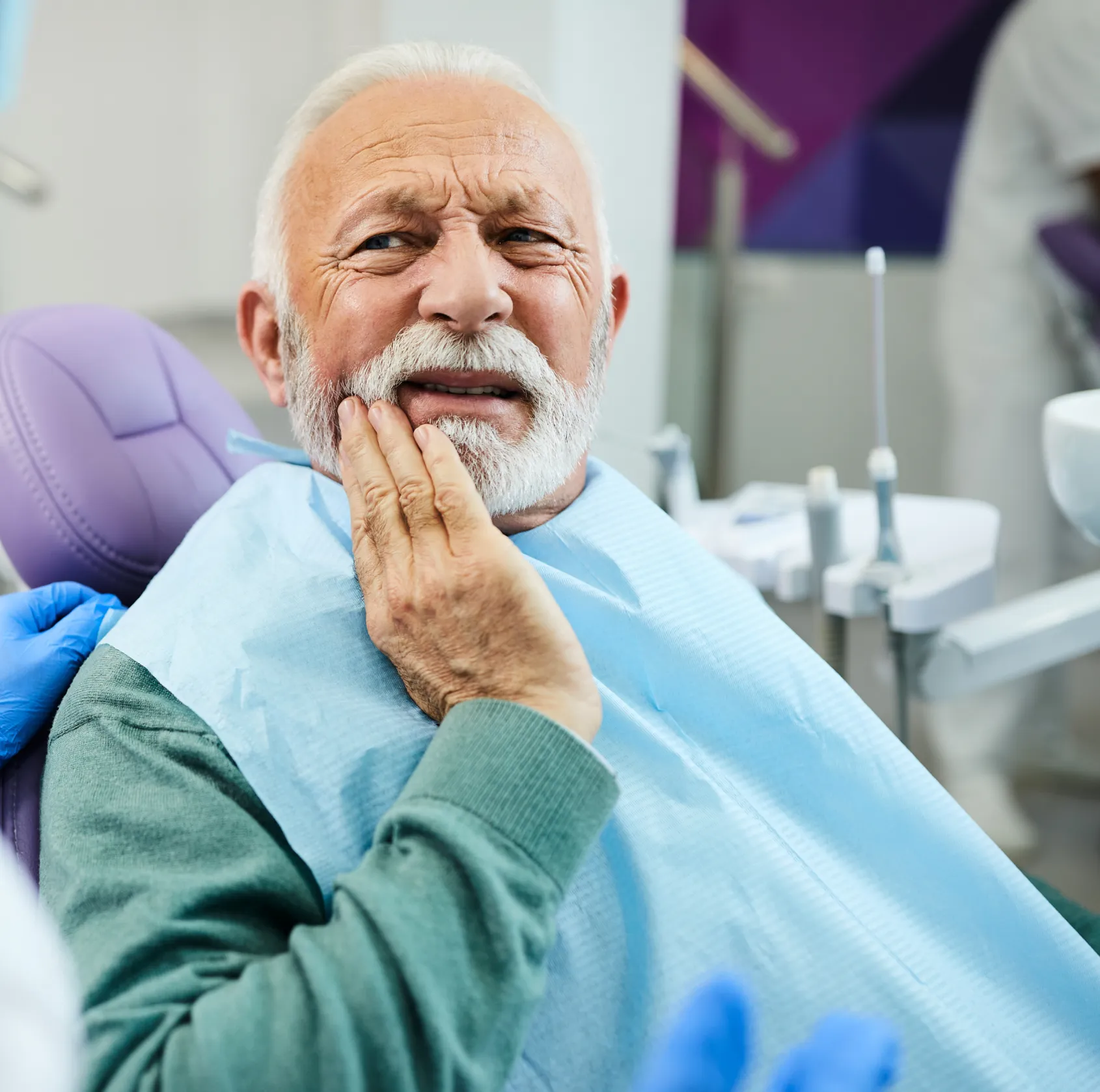
Many patients try to push through TMJ pain, hoping it will resolve on its own. While mild flare-ups can sometimes settle with rest, an untreated structural or functional issue with the joint rarely improves without intervention.
Over time, chronic clenching and grinding wear down tooth enamel and can fracture or loosen existing dental work. Progressive joint inflammation makes the condition significantly harder to treat.
The earlier you seek care at our Manasquan office, the more conservative and effective your treatment options will be.
TMJ Treatment Options We Offer
Custom Oral Appliance Therapy
A custom-fitted oral appliance, often called a night guard or occlusal splint, is frequently the first line of treatment for TMJ disorders. Worn during sleep, the device gently holds the jaw in an optimal position, reduces joint compression, and creates a barrier against the damaging effects of bruxism.
Our appliances are precisely fabricated from detailed impressions of your bite, ensuring a comfort and fit that over-the-counter products simply cannot match.
Muscle Relaxation Injections
Injectable muscle relaxation therapy targets the specific jaw muscles responsible for chronic clenching and grinding. It provides meaningful relief from muscle tension, joint pain, and TMJ-related headaches, and the effects typically last several months.
For many patients in Manasquan, this treatment has been transformative, offering a level of pain relief that other conservative approaches hadn't achieved.
Occlusal Adjustment
When an uneven or misaligned bite is placing disproportionate stress on the TMJ, an occlusal adjustment can restore balance. This precise, minimally invasive procedure involves selectively reshaping certain tooth surfaces so that the upper and lower teeth meet in a more harmonious and stable relationship.
Reducing that stress often translates directly to reduced joint pain and muscle tension.
Lifestyle Modifications and Supportive Therapy
Managing TMJ effectively often involves more than in-office treatment. We'll guide you through targeted jaw exercises, ergonomic and posture recommendations, dietary adjustments during flare-ups, and evidence-based stress reduction strategies.
Where appropriate, we'll also coordinate care with physical therapists experienced in orofacial rehabilitation to support a comprehensive recovery.
Surgical Intervention
When conservative therapies have been exhausted and structural joint damage persists, surgical options may be considered. These include minimally invasive procedures such as arthrocentesis and arthroscopic surgery, as well as open-joint procedures for the most complex cases.
Our specialists will thoroughly explain every option and help you make the decision that's right for your health and your life.
Your First TMJ Appointment: What to Expect
Health and Symptom Review
Clinical Examination
Diagnostic Imaging
Clear Diagnosis and Treatment Planning
Say Hello to Our Smile Experts


Exceptional Periodontal Care
Premier Implant Dentistry


Dr. Andrew Andawis
With a true passion for the art of Dentistry, Dr. Andrawis had his eye on the goal since his early High school days in East Brunswick, NJ. This allowed him to enroll in an accelerated 7-year joint program between Rutgers University and the School of Dental Medicine in Newark, New Jersey (Now part of Rutgers University).
Dr. Andrawis graduated in 2015 with a doctorate in Dental Medicine degree. With a special interest in soft tissue augmentation and oral plastic surgery, Dr. Andrawis pursued a career in periodontics at the Ashman Department of Periodontology and Implant Dentistry at New York University. During his residency, he presented numerous times at intercollegiate conferences about innovative techniques in dentoalveolar trauma, digital dentistry, and immediate implant placement.
In 2018, Dr. Andrawis became a board-certified periodontist, boarded by the American Board of Periodontology. When he’s not doing surgery, Dr. Andrawis enjoys playing tennis, traveling with friends, and flying his drone.
Dr. Kelin Walsh
Bio coming soon.

Dr. Marina Mishriky
Dr. Marina Mishriky is a renowned restorative dentist with a focused expertise in perfecting Laser Periodontal Therapy. Her career is marked by a passion for precision and a commitment to patient well-being. Dr. Mishriky's approach is characterized by a gentle and personalized touch, tailoring her treatments to the unique needs of each individual. She employs a comprehensive method that integrates evidence-based studies, follows established protocols, and prioritizes thorough patient education.
Dedicated to achieving optimal outcomes, Dr. Mishriky actively encourages open communication with her patients. She welcomes questions and concerns, ensuring a supportive and informed experience throughout the Laser Periodontal Therapy process. Trust in Dr. Mishriky for expert care that goes beyond treatment, fostering a partnership in your journey towards improved oral health and a confident smile.

Dr. Andrew Yousef
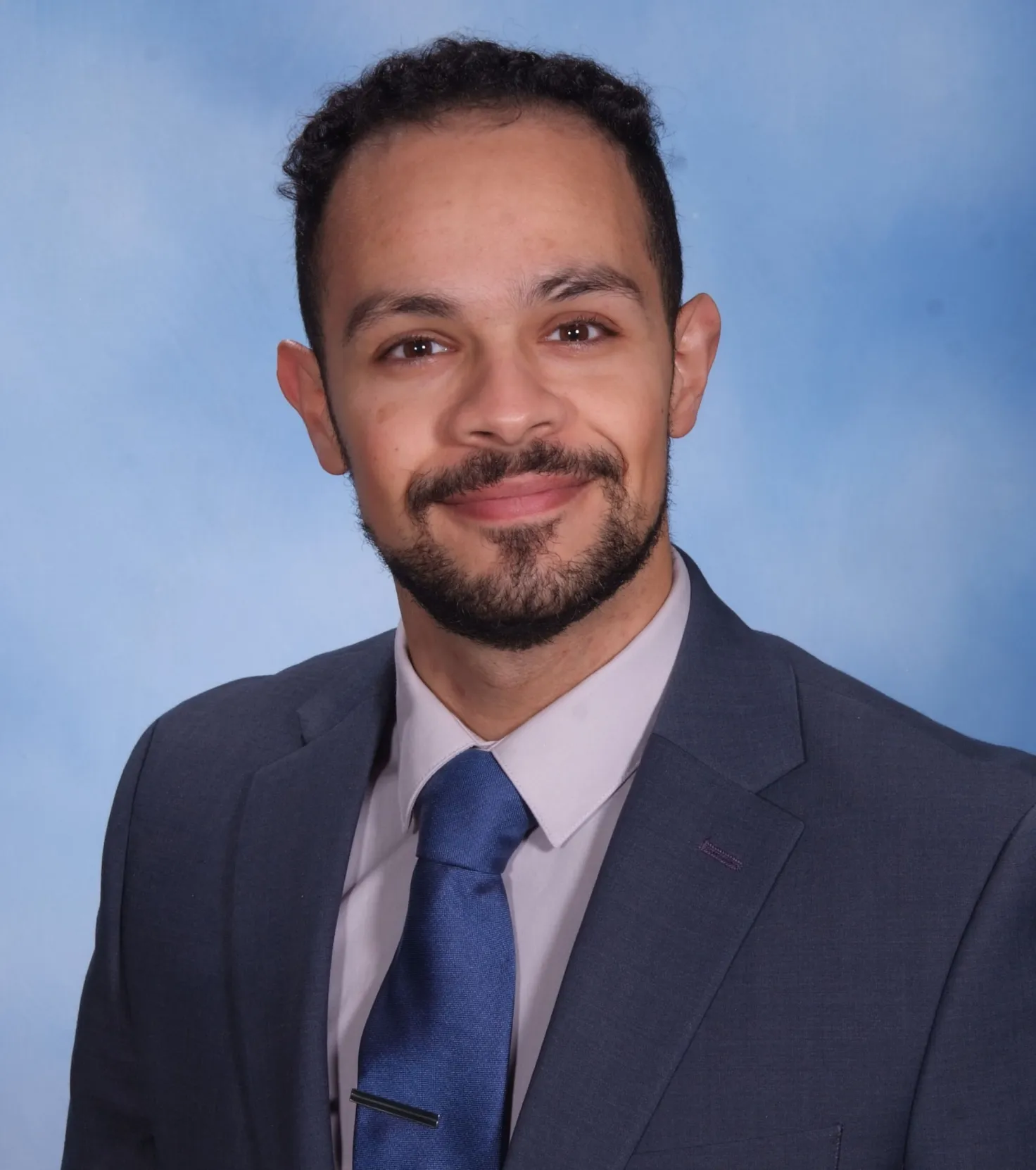
Dr. Andrew Yousef is a recent graduate from the University of Maryland School of Dentistry Class of 2019. He also received his Certification in Periodontics and Implantology from New York University in 2022. Dr. Yousef is an incredibly passionate periodontist, whose sole focus is to provide the best dental care for his patients. Not only that, he is dedicated to continually learning and perfecting his craft, using the most up to date surgical techniques and materials to ensure that his patients receive incredible results.
Dr. Yousef was born in New York, New York but moved to the small town of East Brunswick, New Jersey very early in his life. He is the oldest of three, with two younger brothers. Both of his parents were of Egyptian descent and migrated to the States to give their future children better lives.
As Dr. Yousef grew up, he excelled in his academics and was mentored by a family dentist in high school who encouraged him to pursue dentistry. With the intention of becoming a dentist, Dr. Yousef attended Rutgers University, and upon graduation, applied and was accepted to the University of Maryland School of Dentistry where he ultimately received his doctorate degree. From there, Dr. Yousef pursued his specific passion for surgery by attending New York University to complete his certification in Periodontics and Implantology.
Say Hello to Our Smile Experts
Exceptional Periodontal Care
Premier Implant Dentistry
Start Your Treatment Journey Today

Comfort and Convenience
Personalized Care


Flexible Financing
Frequently Asked Questions
What's the difference between TMJ and TMD?
TMJ refers to the temporomandibular joint itself, while TMD (temporomandibular disorder) is the term for conditions affecting that joint. In everyday conversation, patients and providers often use "TMJ" to refer to the disorder, and both are generally understood.
The important thing is getting an accurate diagnosis so the right treatment can be recommended.
Will I need surgery for my TMJ?
Most patients don't. The majority of TMJ disorders respond well to conservative, non-surgical treatments like oral appliances, occlusal adjustments, or muscle relaxation injections.
Surgery is typically only considered when there is documented structural damage to the joint and conservative care has not provided adequate relief.
Can stress cause TMJ?
Yes, stress is one of the most common contributing factors. Psychological stress often leads to habitual jaw clenching or teeth grinding, both of which place significant strain on the temporomandibular joint over time.
Addressing the behavioral component, alongside any structural treatment, is an important part of managing TMJ disorders effectively.
How long will I need to wear a night guard?
For some patients, an oral appliance provides relief within weeks and is worn on an ongoing basis to prevent symptoms from returning. For others, it's one component of a broader treatment plan.
We'll give you a clear picture of what to expect at your consultation and adjust recommendations as your treatment progresses.
Can TMJ cause ear pain?
Yes, and this is one of the most commonly overlooked symptoms. Because the TMJ sits directly in front of the ear canal, joint inflammation and muscle tension in that area can easily be mistaken for an ear infection or other ear condition.
If you've had recurring ear pain without a clear cause, TMJ may be worth investigating.
